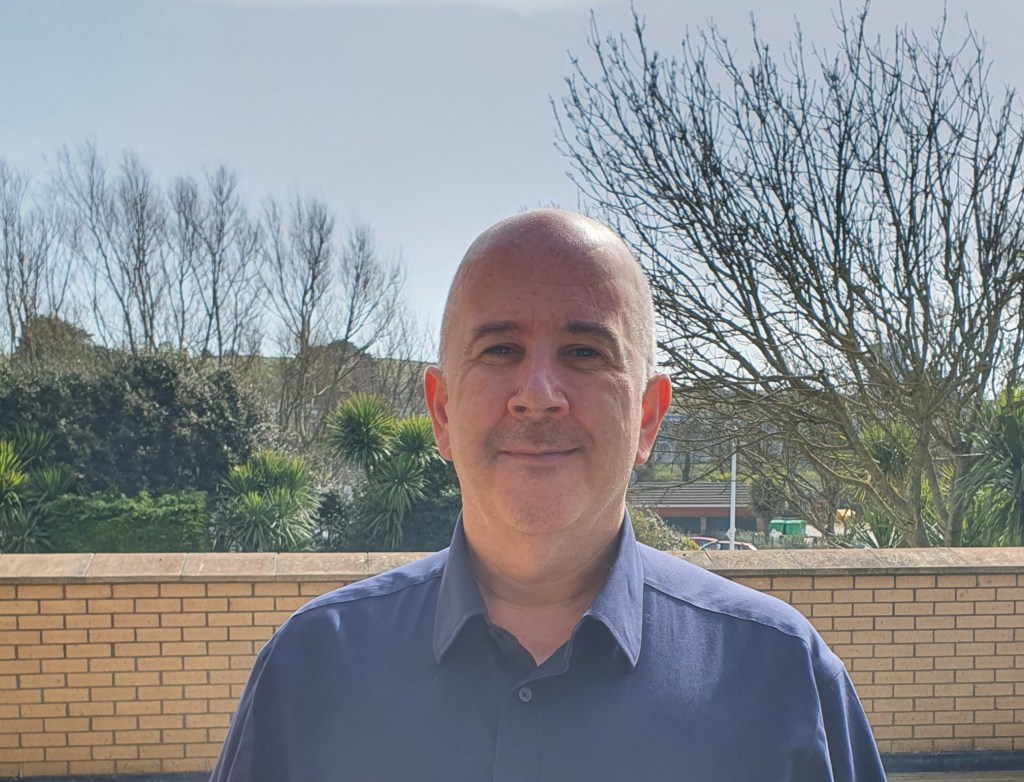
In my role as a consultant across both the private and public sectors, I have guided clients through the development and refinement of their emergency planning, often introducing them to trusted third-party resources to enhance their preparedness.
My expertise is grounded in firsthand experience and reinforced by ongoing collaboration with organisations such as Emergency services. JESIP, Protect UK, HEBCON, and ACT. With this background, I am confident in my ability to review, advise, and elevate any Major Incident Plan, ensuring that it is not only practical and comprehensible but, above all, centered on the safety and well-being of people.
As a senior leader with over two decades of experience, I have worked across a diverse range of businesses in both the private and public sectors. My career has been rooted in hospitality and youth care, spanning roles in backpacking, holidays, and education. Throughout, the safety and well-being of young people and my teams have remained my top priority.
As Operations Director of Beds and bars, a Pan European Student accommodation and F&B company with brands St Christophers Inns and Belushis I was responsible for multiple sites across major capitals of Europe and across the UK.
Bataclan, Paris Nov 2015
On the night of Friday, November 13, 2015, while a terrorist attack unfolded at the Bataclan in Paris, our St. Christopher’s Inns locations near Gare du Nord and central Paris were filled with over 1600 young travelers. Paris was in lockdown, and as senior management, we couldn’t reach the city. We had no major incident plan in place, only fleeting discussions of what to do in such a situation.
As the Operations Director, I had to prioritise, allocate jobs, and ensure the safety of our guests and team remotely from the UK. Our immediate task was to check in with every guest and staff member, ensuring everyone was accounted for. Led by our General Manager, the team on the ground did an incredible job securing the building and providing comfort to those inside. By the afternoon of Saturday, November 14, using mobile, social and contacts in the city we were able to confidently announce that all guests were safe.
While we emerged without casualties, the event highlighted our lack of preparation. Thousands of calls came flooding in from anxious parents, the press, and emergency services. Our central accommodation became difficult to access, and although our team performed admirably under pressure, luck played a large role.
In the aftermath, I made it my mission to learn everything about emergency planning. I engaged with the Met Police, Southwark Council, and the Mayor’s Office, and delved into resources like JESIP, ACT and ProtectUK. This led to the development of a comprehensive emergency plan, encompassing roles for senior leadership, onsite teams, and strategic continuity.
We rolled out a training program across all our sites in the UK and Europe, where we role-played scenarios and incorporated real-life lessons from those who had been in Paris that night. The experience profoundly shaped how we approached crisis management, and I became determined to ensure we would never be caught unprepared again.
London Bridge 3rd June 2017
On Saturday, June 3, 2017, as the Champions League final was wrapping up, St. Christopher’s Inns had 900 guests across our three sites on Borough High Street, and the bars were packed. Then terrorists struck at London Bridge, just moments away. This time, however, we were prepared. Our emergency plan, honed after previous incidents, was ready to be deployed.
We immediately activated GOLD command, confident from rehearsals. Our communications had improved, and though the area around our sites became a no-go zone, we worked seamlessly with the onsite teams. We invacuated 800 people into the basement of our main site, securing the building while guests returning from outside were provided with emergency accommodations. With access to the area blocked, we arranged emergency provisions and relocated guests across other London sites, all while managing the onsite emergency services, whose clarity of instruction wasn’t always what we hoped.
Thankfully, our guests remained safe, but the event wasn’t without its challenges. Confusion among the police teams regarding whether to evacuate, invacuate, or hide led to mixed messages that complicated our response. After the incident, I participated in discussions with the Mayor’s office and Southwark Council to dissect the event and identify areas for improvement. While there were lessons to learn, our plan, decision-making, and guest care were praised by those involved, strengthening our resolve to continue improving in the face of crisis.
Las Ramblas Nov 2017
In November 2017, with 800 guests in our building at the top of Las Ramblas in Barcelona, a terrorist attack struck right on our doorstep. The building went into lockdown, and we immediately enacted our emergency plan. From the UK, we set up a strategic command, Silver level operations, while staying in close contact with our Spanish team on the ground.
We had prepared for scenarios like this and were able to swiftly relocate all of our guests. Knowing the anxiety such an event would cause, we worked closely with a third-party service to manage over 5,000 calls from worried parents within the first 24 hours. When the building was returned to us, we brought all of our guests back safely.
The plan worked as intended, and I couldn’t have been prouder of our team’s efforts. That experience reaffirmed the importance of treating our emergency plan as a living document, one we continually updated and refined to ensure it stayed relevant in an ever-changing world.
University of Kent.
After completing a 12-month interim role leading onsite commercial services, estates facilities, and accommodation, I was asked to stay on with the operations team to overhaul their emergency plans and health and safety (H&S) reporting. Over the following year, I embedded a new H&S reporting system across the entire university, introduced a comprehensive event management risk assessment framework, and updated the Major Incident Plan. We rolled out training at all levels, from the Executive team to the frontline accommodation and estates staff.
Drawing from my firsthand experience in crisis situations, I knew how critical it was to equip everyone with a clear understanding of their roles under immense pressure. The plan I developed for the University of Kent was not only accepted at all levels but also instilled confidence that the team was ready for any emergency.
This plan has since been successfully implemented during incidents over the past three years, with only necessary updates along the way. Its strength lies in being clear, concise, simple, and well-trained, allowing the team to respond effectively when it matters most.
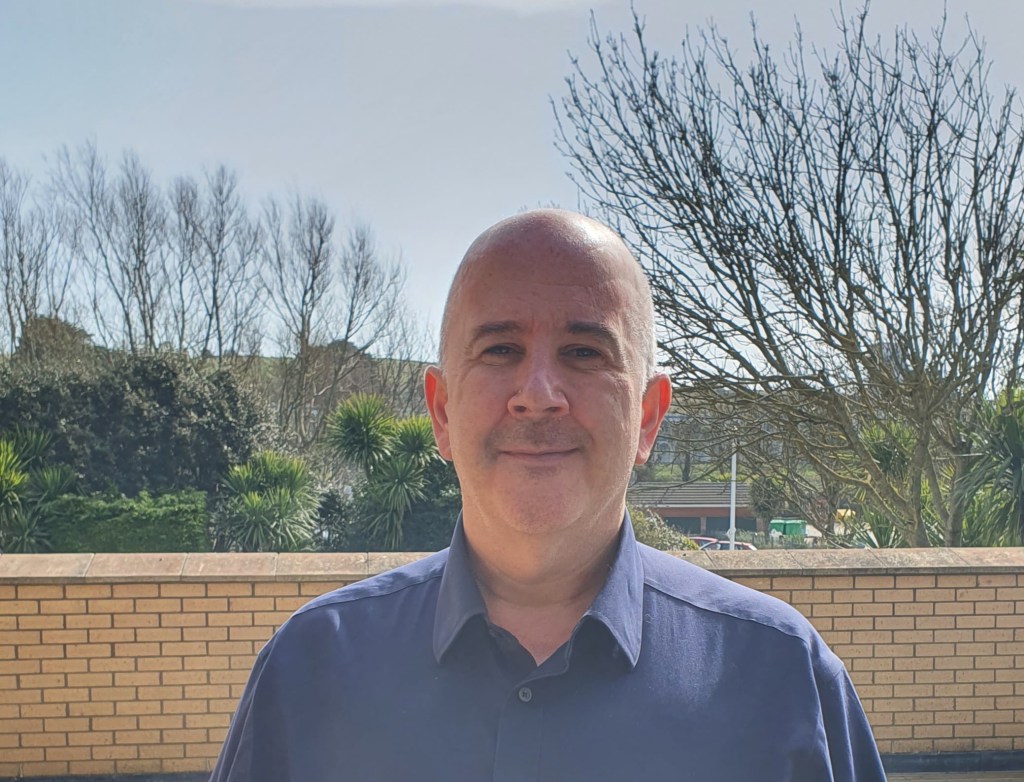
 EDS Hospitality Ltd - Emergency Planning
Leave a comment